Septic Tanks
What Is a Septic Tank?
A septic tank is an essential part of your property’s drainage system, designed to safely manage and treat wastewater when your home or business is not connected to the main sewer network.
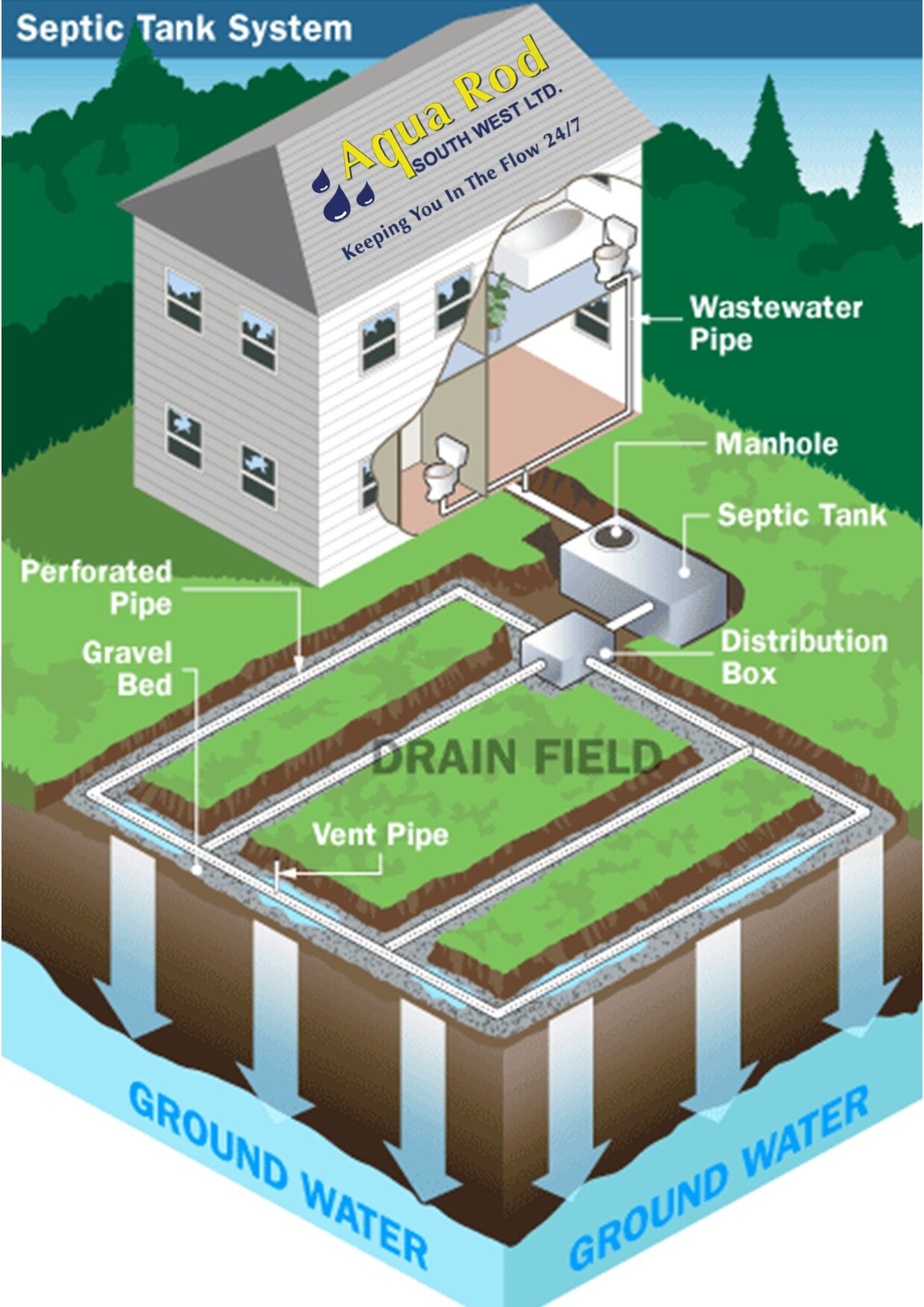
All wastewater from your property, including toilets, sinks, baths, and appliances, flows into the septic tank. Inside the tank, the waste is naturally separated into three layers:
- Solids (sludge) settle at the bottom
- Oils and grease (scum) float to the top
- Liquid wastewater remains in the middle
Naturally occurring bacteria within the tank begin breaking down the solid waste, helping to reduce its volume. The partially treated liquid then flows out into a drainage field, where it is filtered through the ground for further natural treatment.
Why Is It Important?
A properly functioning septic tank ensures that wastewater is safely processed and returned to the environment without causing pollution or health risks. It plays a vital role in protecting your property, local water sources, and the surrounding environment.
Ongoing Maintenance
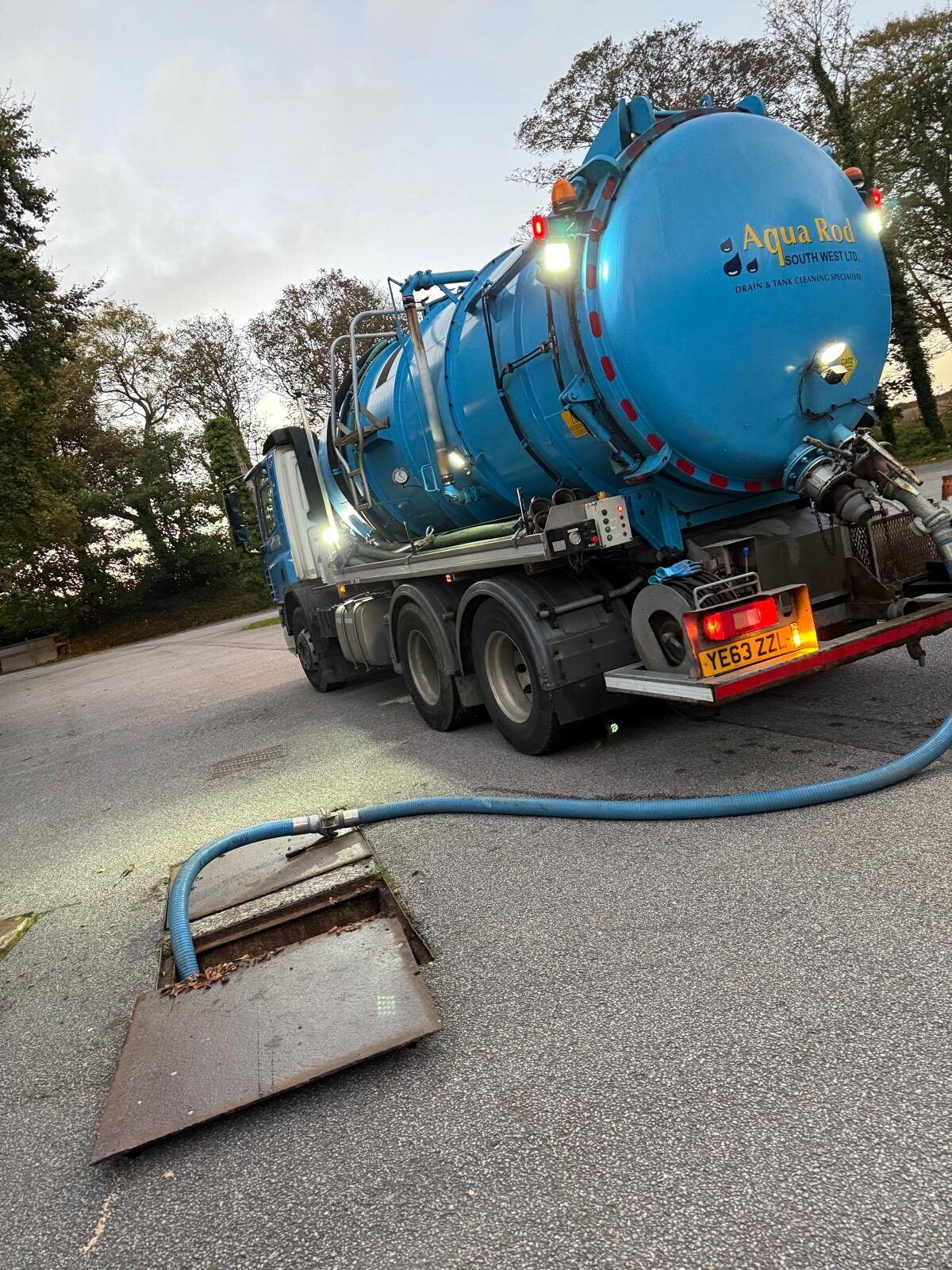
Like any system, a septic tank requires regular maintenance to keep it operating effectively. Over time, sludge and scum build up and must be removed to prevent blockages, unpleasant odours, and potential system failure.
Routine emptying and inspections help to:
- Prevent costly repairs
- Extend the lifespan of your system
- Ensure compliance with environmental regulations
- Keep your property running smoothly
In Simple Terms
A septic tank is your property’s own private wastewater treatment system — working quietly underground to keep everything flowing as it should.
How Often Should a Septic Tank Be Emptied?
Most septic tanks should be emptied every 12 months, though this can vary depending on:
- Tank size
- Number of users
- Volume of wastewater produced
A professional inspection can help determine the ideal schedule for your specific setup.
The Bottom Line
Think of septic tank emptying as routine servicing for your property’s wastewater system. It’s a small, planned investment that prevents major disruption, protects your property, and keeps everything running as it should.
Prevents Costly Repairs
Extends the Life of Your System
Avoids Unpleasant Odours
Protects the Environment
Reduces Risk of Blockages and Backups
Keeps You Compliant with Regulations
Improves Overall System Efficiency